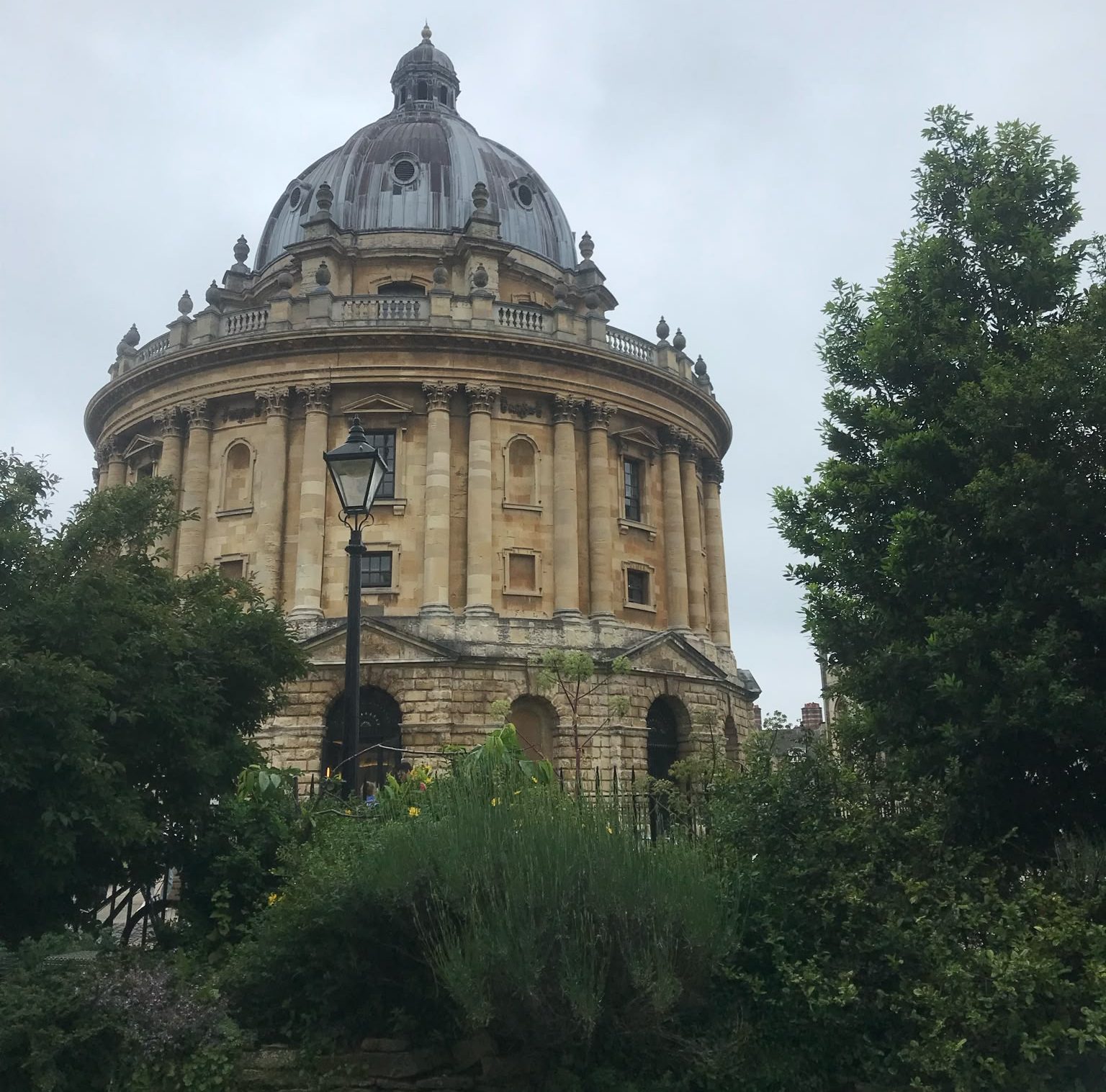
I often ask myself why I chose engineering.
Not because I regret it, but because I find myself wondering what exactly pulled me towards it in the first place.
For me, it started with Maths and Science at school.
I had always been good at Maths; albeit only after a few years of hard work from my dad and older sister. They helped me build the foundations, and once everything started to click, I genuinely enjoyed the subject. It became one of the lessons I looked forward to the most in high school.
When it came to choosing what to study at university, Chemical Engineering felt like the obvious choice. My two favourite subjects were Maths (and Further Maths!) and Chemistry, so it seemed like the natural next step.
Growing up, I always dreamed of going to a top university. I had a pretty limited understanding of the world back then, but in a strange way, it definitely helped. Everything felt possible and nothing felt impossible. As I’ve got older, I’ve become more realistic, but I sometimes miss the mindset I had as a teenager – when nothing really felt out of reach.
So there I was, 18 years old, studying Engineering Science at Oxford University, one of the world’s top universities. It was a dream come true.
But what came next was more difficult than I expected.
Some nights, the dream felt more like a nightmare. The workload was relentless, and there were definitely many moments when I questioned myself. But I kept going, and eventually I made it to the end.
Looking back, my decision to study engineering wasn’t actually that complicated. I followed what I enjoyed and what I happened to be good at.
When people think of engineers, they often picture someone fascinated by engines, motors or structures (bridges to be specific). That wasn’t really me. My interest came from enjoying Maths, Chemistry and even puzzle games like Sudoku. I liked solving problems, and I pictures engineering having many more to give me.
Not everyone has a grand plan. Sometimes you end up exactly where you wanted by simply following your interests. Other times you can plan every step and still not get the outcome you hoped for.
I think success is an arbitrary mixture of competence and luck. You need the ability to take opportunities when they come, but you also need those opportunities to appear in the first place. Both have played a part in my journey.
Now maintaining success is a different story. Being successful at one thing doesn’t give you an automatic pass for the next. You still have to put in the work, keep learning, and be willing to change your plans when things don’t go the way you expected. Something I’m trying to figure out in life right now.
 Almost Honest
Leave a comment